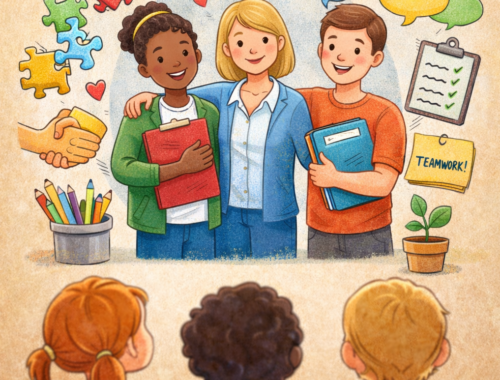
My Successful Classroom (Most of the Time): Strong Teams Build Strong Classrooms
In this series, I’ve been reflecting on what actually makes a classroom feel strong — not in theory, but in the messy, everyday reality of working with children and the adults around them. In the last post I wrote about…
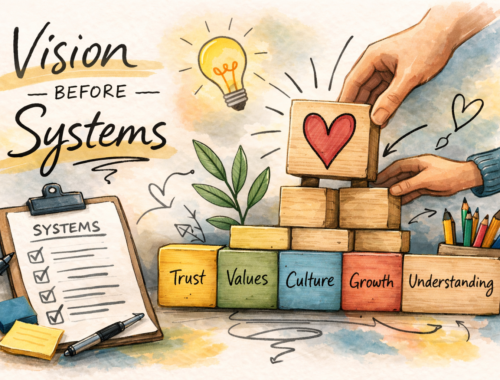
My Successful Classroom (Most of the Time): Vision Before Systems
Before I go any further, I should probably explain what I mean by “systems” and “vision,” because I used to think they were almost the same thing. When I say systems, I mean the structure we are trying to implement…
Peace of Mind Curriculum
If you’ve spent some time reading my earlier posts, you may already have a sense of why this blog exists. If not, I thought it might be time to say it out loud. This blog grew out of my practice—years…
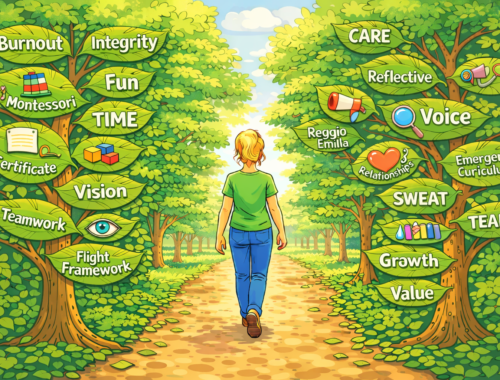
My Career Reflection
I didn’t enter early childhood education (ECE) with a five-year plan, a ladder to climb, or a list of titles I wanted to collect. I entered it because I was curious and I cared — about children, about learning, and…
Emotional Intelligence: Teaching children about Social Skills
In my previous post, I discussed the importance of empathy in the early years and how nurturing it through a variety of activities supports children’s ongoing development of emotional intelligence. In this post, we will turn our attention to fostering…
I See You – A Story About Slowing Down and Looking Closer
When you're new in a preschool classroom—especially one with 36 tiny humans—it's safe to say it takes a minute to get your bearings. You’re learning names, routines, the daily snack preferences, and which child is deeply committed to wearing one…
Emotional Intelligence: Teaching children about Motivation
In my last post, I explored self-regulation and the important role it plays in the development of children’s emotional intelligence. This time, we’re diving into another key piece of the puzzle: motivation.
Emotional Intelligence: Teaching children about Empathy
After exploring motivation in the last post and how it helps children develop an internal drive to learn, connect, and grow, we now turn to another essential piece of the emotional intelligence puzzle: empathy.
Emotional Intelligence: Teaching Children About Self-Regulation
n the last post, we explored self-awareness—how children begin to recognize their own emotions, thoughts, and behaviors. Now, we’re digging into the next step: self-regulation. Because once children start to understand what they’re feeling, the big question becomes… what do…
Emotional Intelligence: Teaching children about Self- Awareness
In my previous post on emotional intelligence, I talked about the importance of emotional awareness and shared some practical ways to help children explore and understand their feelings. In this post, we’re going to take a closer look at another…