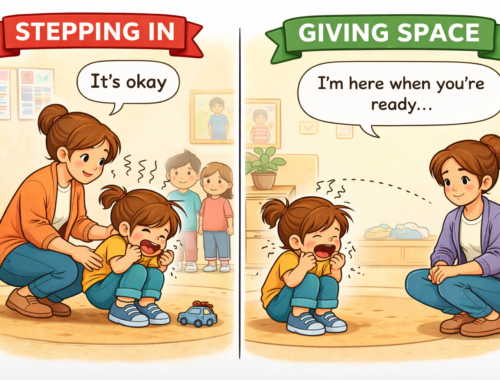
Are we supporting regulation… or interrupting it?
When I first started this blog, I wrote a whole series on emotional intelligence, and I found myself returning to self-regulation again and again—how it develops, how we support it, and why it feels so important in the early years.…
My Successful Classroom (Most of The Time): It Starts With How We Show Up
I’ve mentioned before that one of the qualities research highlights in a strong educator is the importance of building trusting relationships—with both children and colleagues. In my previous posts, I’ve spent a lot of time talking about the relationships between…
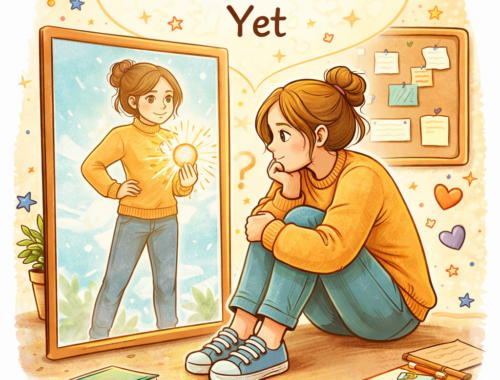
My Successful Classroom (Most Of The Time): The Strength I Didn’t Understand Yet
In this series I’ve been reflecting on what actually makes a classroom successful — not in theory, but in the everyday reality of working with children and the adults around them. In the last post, I wrote about strong teams.…
Peace of Mind Curriculum
If you’ve spent some time reading my earlier posts, you may already have a sense of why this blog exists. If not, I thought it might be time to say it out loud. This blog grew out of my practice—years…
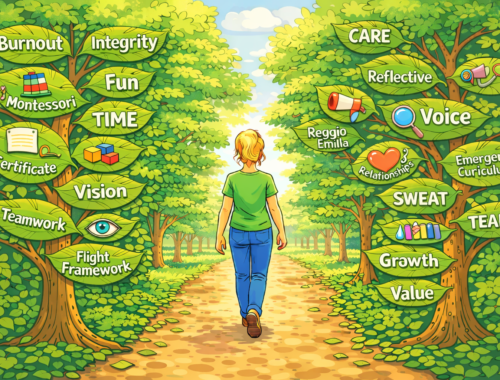
My Career Reflection
I didn’t enter early childhood education (ECE) with a five-year plan, a ladder to climb, or a list of titles I wanted to collect. I entered it because I was curious and I cared — about children, about learning, and…
Emotional Intelligence: Teaching children about Social Skills
In my previous post, I discussed the importance of empathy in the early years and how nurturing it through a variety of activities supports children’s ongoing development of emotional intelligence. In this post, we will turn our attention to fostering…
A Lap, A Leak, and the Importance of Emergency Underwear
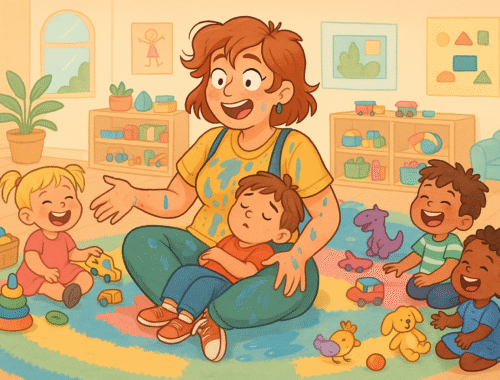
You’d think it goes without saying, but let me just say it louder for the people in the back: preschool teachers should always have an extra set of clothes. Like, full set. Socks included. Because when you spend your days…
Emotional Intelligence: Teaching children about Motivation
In my last post, I explored self-regulation and the important role it plays in the development of children’s emotional intelligence. This time, we’re diving into another key piece of the puzzle: motivation.
Emotional Intelligence: Teaching children about Empathy
After exploring motivation in the last post and how it helps children develop an internal drive to learn, connect, and grow, we now turn to another essential piece of the emotional intelligence puzzle: empathy.
Emotional Intelligence: Teaching Children About Self-Regulation
n the last post, we explored self-awareness—how children begin to recognize their own emotions, thoughts, and behaviors. Now, we’re digging into the next step: self-regulation. Because once children start to understand what they’re feeling, the big question becomes… what do…